Every car eventually reaches the end of the road. Understanding the end-of-life (ELV) process can save you money, protect the environment, and make a stressful decision surprisingly simple!
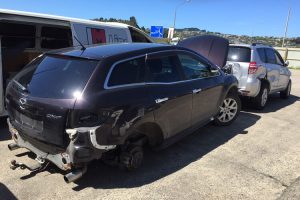
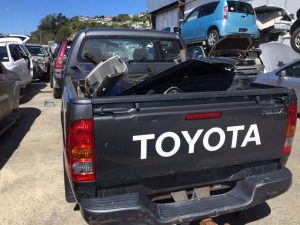
An end-of-life vehicle (ELV) is any car, truck, van, or motor vehicle that has completed its useful life. This generally applies to vehicles that are 15–20 years old, have sustained serious accident damage, carry very high mileage, or where repair costs outweigh what the vehicle is actually worth. In some cases, even a newer vehicle can qualify as an ELV if it has been written off by an insurer or declared unroadworthy. Once a vehicle reaches this point, keeping it becomes a financial burden; ongoing registration, insurance, and unpredictable repair bills add up quickly with little return. At this stage, selling it to a licensed car removal service is far more practical and economical than holding onto it.
Initial contact and vehicle evaluation
The first step is to reach out for a quote. You will need to provide some basic details of your vehicle, like registration number, make, model, year, and general condition. The team uses this information to work out the vehicle’s value, taking into account factors such as the current scrap metal market, which parts may be reusable, and the overall condition of the vehicle.
Tip: Sending through photos alongside your vehicle details gives the buyer a clearer picture of what they are working with, and often leads to a more accurate and competitive offer.
Quote acceptance and vehicle collection
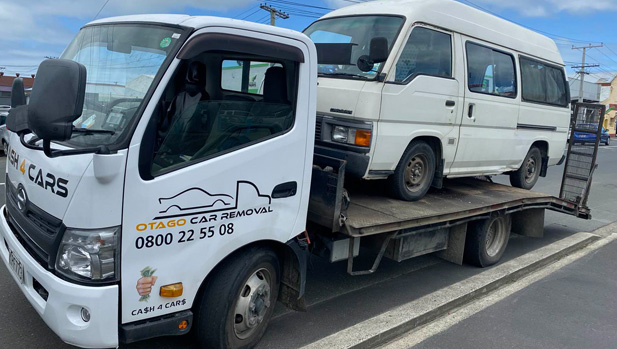
Once you are happy with the quote and accept the offer, you can book a pickup time that works for you. A legitimate service will provide free towing regardless of where the vehicle is located, whether it is parked in a residential driveway, on a rural property, or at a commercial site. The vehicle does not need to be running for the collection to go ahead.
For example, it is also worth noting that car removal services operate across a wide range of locations throughout New Zealand. If your vehicle is not in the South Island and is instead located in Auckland or elsewhere in the North Island, this is not a concern. Car removal in Auckland and across all major regions is readily available, offering same-day service anywhere.
Inspection and documentation
When the removal team arrives, they will carry out a quick check of your ownership documents. This confirms that the person selling the vehicle is either the registered owner or legally authorised to sell on the owner’s behalf. It is a standard legal requirement that protects both the buyer and the seller. The process is brief and does not involve any complicated legal procedures, just a straightforward verification to make sure everything is above board.
Depollution process
Depollution is the most important step in the ELV process and is a legal obligation for all licensed vehicle dismantlers. A standard passenger vehicle contains a range of hazardous materials that can cause serious harm to the environment and to human and animal health if they are not properly handled.
Engine oil, brake fluid, coolant, and residual fuel must all be drained and safely contained before any further processing. The battery requires separate handling. Conventional lead-acid batteries contain sulphuric acid and lead, both of which are toxic. Air conditioning refrigerants must be captured rather than released, as they are harmful to the ozone layer. Airbags and seatbelt pretensioners contain small pyrotechnic charges that must be safely neutralised.
All of these materials are managed in accordance with environmental regulations at a licensed facility. This step is what separates a responsible ELV operation from an unregistered one, and it is why choosing a certified buyer matters.
Dismantling and parts recovery
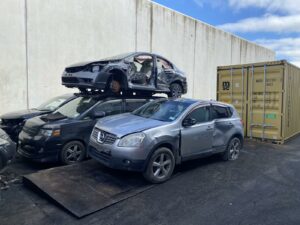
Even a vehicle that appears completely wrecked still contains parts in perfectly functional condition. During the dismantling, technicians carefully inspect and remove parts that can be refurbished and resold. Commonly recovered items include engines, gearboxes, alternators, starters, suspension components, tyres, doors, bonnets, and electronic control units.
These parts are then made available as genuine used replacements, a much more affordable option for vehicle owners who really need quality components without the cost of brand-new parts. This recovery process also reduces demand for newly manufactured parts, thereby lowering the overall environmental footprint of vehicle maintenance.
Recycling and material processing
After all reusable parts have been removed, the remaining vehicle shell goes through metal processing. Ferrous metals like steel and non-ferrous metals like aluminium, copper, and brass are separated using industrial shredding and sorting equipment, then sent to metal reprocessors and manufacturers for use in new production.
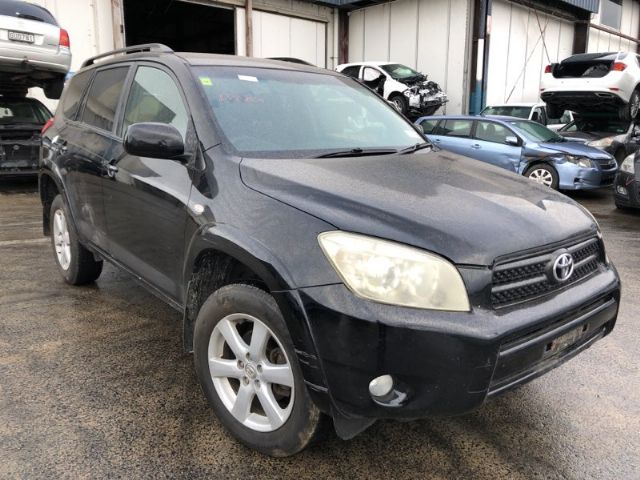
This is where much of the environmental value of ELV processing is realised. Recycling these metals avoids the need for energy-intensive mining and smelting of raw materials. Recycling aluminium, for instance, uses around 95% less energy than producing it from raw ore. What looks like a pile of scrap becomes a genuine industrial resource.
Environmental benefits of ELV handling
Responsible ELV processing carries significant environmental benefits but only when the vehicle is handled by a licensed, certified facility. Hazardous fluids are prevented from contaminating soil and waterways. Bulky vehicle components are kept out of the landfill. Metals are recovered and reused rather than newly mined. Functional parts are given a second life rather than going to waste.
If a vehicle ends up in the hands of an unlicensed buyer, there is no guarantee that any of these steps will be followed correctly. That puts the environment at risk and, in some jurisdictions, can also expose the seller to legal liability. Choosing a reputable, registered service is what makes the difference.
Tip: To choose a reputable vehicle removal service, check Google reviews. Legitimate services typically have better ratings.
Benefits for vehicle owners
Selling to a licensed car removal service is one of the simplest vehicle transactions you can make. Payment is typically made in cash or bank transfer on the day of collection, with no waiting around for a private buyer to come through.
Free towing is included as standard, so there are no surprise costs even if the vehicle is not drivable. You avoid repair bills, listing fees, and the back-and-forth of private sales. From your first call to the moment the vehicle is loaded onto the truck, the process can often be wrapped up within a few hours.
Common myths about ELV
A lot of people assume that an old, damaged, or completely non-running vehicle has no value whatsoever. That is not true. Even a written-off vehicle contains recoverable metals and reusable parts that trained buyers can identify and extract. The scrap metal market, combined with steady demand for genuine used parts, means there is almost always something of value left in any vehicle, regardless of its condition.
Others think the process must be complicated or drawn out. In practice, it is one of the most straightforward transactions in the automotive space. No haggling, no advertising, no waiting. You share the details, agree on a price, and the vehicle is collected often on the same day you make the call.